Board Games
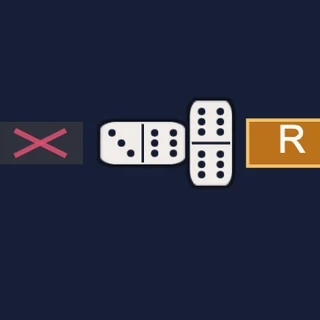
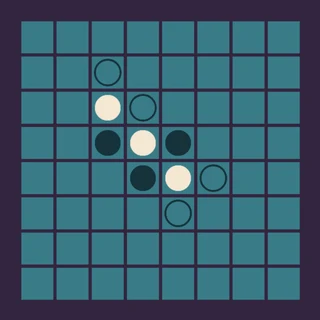
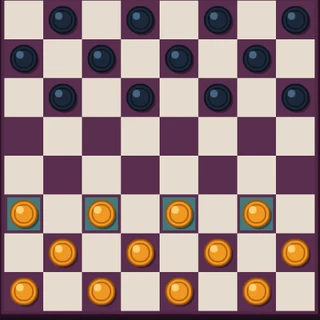
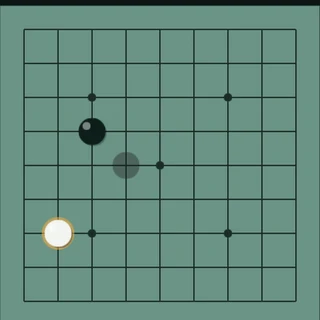
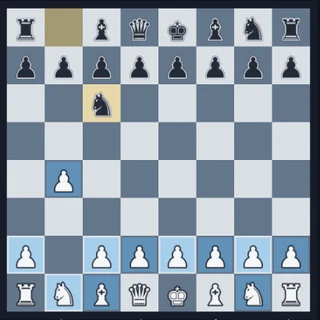
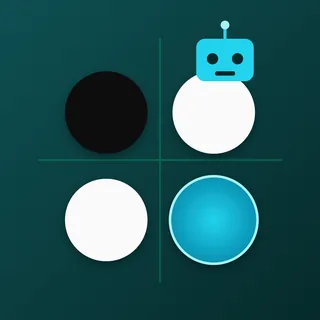
You pick a column and gravity picks the cell. That single rule is the whole of Drop Four, a seven by six grid built for two people sharing one phone, with no computer opponent standing in for the second player. Marble Chess leaves every awkward rule in place, castling on both sides, en passant, the fifty move rule, and it rings the legal squares the moment you lift a piece. Lattice Go plays the territory game on the nine by nine grid beginners finish, scored by area with seven points allowed to the white side. Kings Row enforces the compulsory capture that casual draughts quietly drops, so a disc left hanging gets taken. Domino Chain deals seven tiles a side from the double six set, and the computer holding the other seven never gets to look at yours. Flip Tide outlines every legal move on the board, which makes a turn a choice rather than a guess. One further disc board sits in the grid below, hosted here under its own open licence.

Board games at a glance
- Domino Chain Players: You hold seven tiles, the computer holds the other seven, and fourteen never enter the round. Session: Three to six minutes a round.
- Drop Four Players: Two players sharing one device. There is no computer opponent, so bring someone. Session: Two to five minutes a game.
- Flip Tide Players: One player, with the computer taking the other colour. Session: Five to ten minutes a game.
- Kings Row Players: Take the amber side against the machine, sit two people at one screen, or let it play itself. Session: Eight to twenty minutes a game.
- Lattice Go Players: Black against the computer at three search budgets, two humans on one device, or the machine running both colours. Session: Twelve to twenty minutes a game.
- Marble Chess Players: White is yours against three grades of engine, a second person can take black, or both colours can be handed to the machine. Session: Ten to twenty five minutes a game.
- ReversAi Players: One player against the computer. Session: 5 to 10 minutes a game